Beginning with Comparing Roofing and Siding Estimates: What You Should Know, the narrative unfolds in a compelling and distinctive manner, drawing readers into a story that promises to be both engaging and uniquely memorable.
In the following paragraphs, we will delve into the key components of roofing estimates and siding estimates, comparing their structures and costs to provide you with valuable insights.
Understanding Roofing Estimates
When it comes to roofing estimates, it's important to understand the key components that are typically included to make an informed decision.
Types of Roofing Materials and Cost Implications
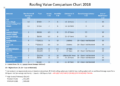
Roofing materials play a significant role in determining the overall cost of the project. Here are some common types of roofing materials and their cost implications:
- Asphalt Shingles: Asphalt shingles are the most popular and affordable option, making them a common choice for homeowners. They are cost-effective and come in a variety of colors and styles.
- Metal Roofing: Metal roofing is durable and long-lasting, but it tends to be more expensive upfront. However, it can save you money in the long run due to its longevity and energy efficiency.
- Tile Roofing: Tile roofing is known for its aesthetic appeal and durability. While it can be more costly to install, it can last for decades with proper maintenance.
Importance of Labor Costs
Labor costs are a crucial factor in roofing estimates, as they reflect the skill and expertise required to install or repair a roof properly. Factors that can influence labor costs include:
- Roof Size: Larger roofs require more labor to install or repair, which can increase the overall cost.
- Roof Complexity: The complexity of the roof design, such as multiple angles and slopes, can also impact labor costs.
- Roof Accessibility: Difficult-to-access roofs may require specialized equipment or additional labor, leading to higher costs.
Deciphering Siding Estimates
When it comes to deciphering siding estimates, it's essential to understand the various elements that are commonly found in these estimates, the factors that influence the pricing of siding materials, and any additional costs that may be present.
Elements in Siding Estimates
- Cost of materials: This includes the price of the siding material itself, such as vinyl, wood, fiber cement, or metal.
- Labor costs: The estimate should Artikel the cost of labor for the installation of the siding.
- Additional supplies: Any additional supplies needed for the installation, such as nails, caulk, or trim pieces, should be detailed in the estimate.
- Permit fees: Depending on your location, there may be permit fees required for siding installation, which should be included in the estimate.
Factors Influencing Siding Material Pricing
- Material type: Different siding materials come at varying price points, with vinyl siding generally being more affordable than fiber cement or wood.
- Quality: Higher quality siding materials will typically come at a higher price compared to lower quality options.
- Manufacturer: Some manufacturers may price their siding materials higher based on brand reputation or specific features.
- Style and design: Certain styles or designs of siding may be more labor-intensive to install, impacting the overall price.
Additional Costs in Siding Estimates
- Removal of old siding: If you have existing siding that needs to be removed before installing new siding, this will incur additional costs for labor and disposal.
- Trim work: Any intricate trim work or custom detailing may add to the overall cost of the siding project.
- Insulation: Adding insulation under the siding can improve energy efficiency but will also add to the total cost of the project.
- Repairs: If there are any structural repairs needed before siding installation, this will be an additional cost to consider.
Comparing Roofing and Siding Estimates
When comparing roofing and siding estimates, it is essential to understand the differences in how they are structured. The materials, labor costs, and other factors can vary significantly between the two, impacting the overall cost of the project.
Analyze the differences in how roofing and siding estimates are structured
Roofing estimates typically include the cost of materials such as shingles, underlayment, flashing, and labor costs for installation. On the other hand, siding estimates often include the cost of materials like vinyl, wood, fiber cement, or metal siding, along with labor costs for installation.
The complexity of the design, the size of the house, and the type of material chosen can all affect the overall estimate for both roofing and siding projects.
Explore the impact of geographical location on roofing and siding costs
Geographical location plays a significant role in determining roofing and siding costs. Areas prone to extreme weather conditions may require more durable materials, which can increase the overall cost of the project. Additionally, labor costs can vary based on the cost of living in different regions, affecting the total estimate for roofing and siding projects.
Provide examples of how specific roofing materials may affect siding choices and vice versa
For example, if a homeowner chooses a metal roof that requires minimal maintenance and has a long lifespan, they may opt for low-maintenance vinyl siding to complement the roof. Conversely, if a homeowner selects a traditional asphalt shingle roof, they may choose fiber cement siding for its durability and aesthetic appeal.
The compatibility of roofing and siding materials is essential for achieving a cohesive look and ensuring the longevity of both components.
Ultimate Conclusion
In conclusion, understanding the intricacies of both roofing and siding estimates is crucial when making decisions about your home. By analyzing the differences and considering various factors like materials and labor costs, you can make informed choices that benefit your property in the long run.
Helpful Answers
What factors influence the pricing of siding materials?
The pricing of siding materials can be influenced by factors such as the type of material used, the quality of the material, and the size of the area to be covered. Higher quality materials and larger areas typically result in higher costs.
How do roofing and siding estimates vary based on geographical location?
Geographical location plays a significant role in determining roofing and siding costs due to factors like climate, availability of materials, and local labor rates. Areas with harsher climates or limited material availability may have higher estimates.
Are there any hidden costs that may be present in siding estimates?
Some hidden costs in siding estimates can include expenses for additional materials like insulation or underlayment, installation of accessories like trim or vents, and disposal fees for old siding. It's important to clarify these costs with your contractor.