Exploring the best roofing and siding options for coastal homes opens up a world of possibilities. From durable metal roofs to eco-friendly clay tiles, this guide offers valuable insights for homeowners looking to protect their coastal properties in style.
When it comes to siding, options like fiber cement and wood each have unique advantages and considerations. Let's delve into the nuances of coastal home exteriors to help you make informed decisions.
Best Roofing Options for Coastal Homes
Metal roofing and asphalt shingles are popular choices for coastal properties. Metal roofing is durable and long-lasting, making it ideal for withstanding the harsh coastal elements. On the other hand, asphalt shingles are more affordable but may not have the same longevity as metal roofing.
Benefits of Clay Tiles in Coastal Regions
Clay tiles are a great option for coastal homes due to their ability to withstand saltwater exposure and high winds. They are also fire-resistant and provide excellent insulation, keeping homes cool in hot climates. Compared to other roofing materials, clay tiles have a longer lifespan and require minimal maintenance.
Eco-Friendly Roofing Options
When it comes to eco-friendly roofing options for coastal homes, solar panels are a popular choice. Not only do they reduce energy costs, but they also help reduce the carbon footprint of a home. Another environmentally friendly option is a green roof, which consists of a layer of vegetation that helps absorb rainwater and provides natural insulation.
Best Siding Options for Coastal Homes
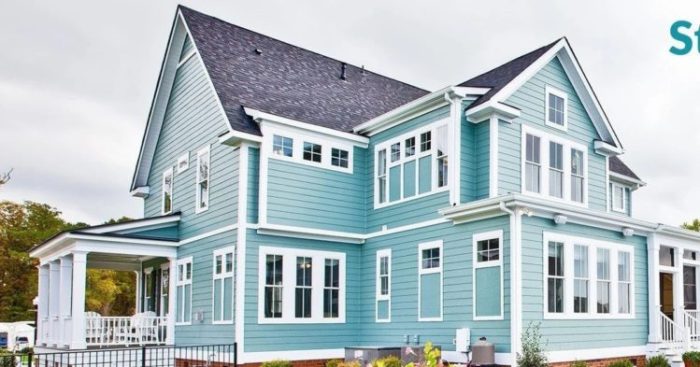
When it comes to choosing siding for coastal homes, durability and resistance to harsh weather conditions are key factors to consider. Here are some of the best siding options for coastal properties:
Advantages of Fiber Cement Siding in Coastal Climates
- Fiber cement siding is highly durable and can withstand extreme weather conditions common in coastal areas, such as high winds and heavy rain.
- It is resistant to rot, mold, and pests, making it ideal for regions with high humidity levels.
- Fiber cement siding is fire-resistant, providing an added layer of protection for coastal homes.
- It requires minimal maintenance and has a long lifespan, reducing the need for frequent repairs or replacements.
Maintenance Requirements of Wood Siding Compared to Vinyl Siding
Wood siding and vinyl siding are popular options for coastal homes, each with its own maintenance requirements:
- Wood Siding:While wood siding offers a natural and timeless look, it requires regular maintenance, including staining or painting every few years to protect it from moisture and salt exposure. Without proper upkeep, wood siding can rot or warp over time.
- Vinyl Siding:Vinyl siding is low maintenance and only requires occasional cleaning with a mild detergent and water. It is resistant to moisture and salt, making it a practical choice for coastal properties.
Impact of Saltwater Exposure on Different Siding Materials
- Wood siding is particularly vulnerable to saltwater exposure, as salt can accelerate the deterioration of the wood and cause it to degrade faster.
- Vinyl siding is resistant to saltwater and does not corrode or degrade when exposed to salty air or sea spray, making it a suitable option for coastal homes near the ocean.
- Fiber cement siding is also resistant to saltwater, offering durability and protection against the corrosive effects of coastal environments.
Last Word
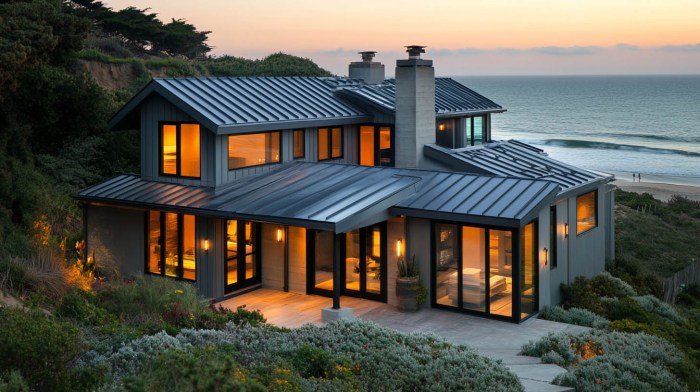
In conclusion, choosing the right roofing and siding for your coastal home is crucial for both aesthetics and durability. By understanding the pros and cons of different materials, you can ensure your home remains a safe and beautiful haven amidst the coastal elements.
Essential Questionnaire
What are the best roofing options for coastal homes?
Metal roofs are durable and long-lasting, while asphalt shingles offer affordability. Clay tiles, on the other hand, provide a unique aesthetic and are suitable for coastal regions due to their durability.
Which siding material is best for coastal climates?
Fiber cement siding is ideal for coastal climates due to its durability and resistance to moisture. Wood siding requires more maintenance compared to vinyl siding in these regions.
How does saltwater exposure affect siding materials?
Saltwater exposure can corrode certain siding materials like wood, while others like fiber cement and vinyl are more resistant. Regular cleaning and maintenance are essential to prolong the life of coastal siding.