As Choosing Between Vinyl and Fiber Cement Siding takes center stage, this opening passage beckons readers with a deep dive into the key aspects to consider when making this important decision. From cost considerations to maintenance requirements, this guide aims to provide a thorough analysis of both options, ensuring that readers are well-equipped to make an informed choice.
In the following paragraphs, we will delve into the pros and cons of each material, explore their aesthetic appeal, and evaluate their environmental impact, offering a holistic view of the decision-making process when it comes to siding options.
Pros and Cons of Vinyl Siding vs. Fiber Cement Siding
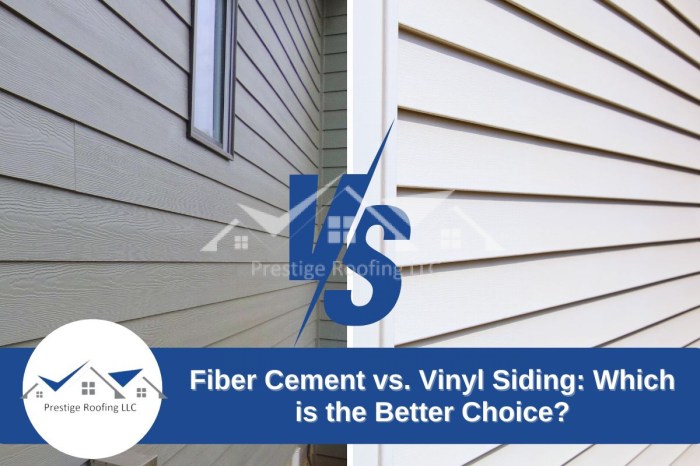
When considering siding options for your home, it's essential to weigh the pros and cons of different materials like vinyl and fiber cement siding. Each material has its own set of advantages and drawbacks, so let's delve into the key points to help you make an informed decision.
Advantages of Vinyl Siding:
- Low Maintenance: Vinyl siding is known for its low maintenance requirements, as it does not need to be repainted and can be easily cleaned with soap and water.
- Affordability: Vinyl siding is typically more budget-friendly compared to fiber cement siding, making it a cost-effective option for homeowners.
- Versatility: Vinyl siding comes in a wide range of colors and styles, allowing homeowners to choose a look that suits their aesthetic preferences.
Main Benefits of Fiber Cement Siding:
- Durability: Fiber cement siding is highly durable and can withstand harsh weather conditions, including wind, rain, and hail, making it a long-lasting option for homes.
- Fire Resistance: Fiber cement siding is non-combustible, providing an added layer of protection against fire hazards compared to vinyl siding.
- Pest Resistance: Fiber cement siding is resistant to pests such as termites, offering homeowners peace of mind and protection against potential infestations.
Comparing Durability:
When it comes to durability, both vinyl and fiber cement siding have their strengths. While vinyl siding is known for its low maintenance and resistance to rotting, fiber cement siding excels in terms of long-term durability and resilience against elements like fire and pests.
Ultimately, the choice between the two materials will depend on your priorities and budget when it comes to protecting and enhancing your home's exterior.
Cost Considerations
When choosing between vinyl siding and fiber cement siding, cost is a significant factor to consider. Let's break down the cost implications of each option and discuss the long-term savings associated with them.
Vinyl Siding
- Vinyl siding is typically more affordable upfront compared to fiber cement siding.
- Installation costs for vinyl siding are generally lower due to its ease of installation.
- Although vinyl siding may require more frequent maintenance and replacement over time, the initial cost savings can be appealing for budget-conscious homeowners.
Fiber Cement Siding
- Fiber cement siding is known for its durability and longevity, which can result in lower long-term maintenance costs.
- While fiber cement siding tends to have a higher initial cost than vinyl siding, its resistance to damage and weathering can lead to savings in the long run.
- Repainting fiber cement siding may be necessary every 15-20 years, but the overall maintenance costs are generally lower compared to vinyl siding.
Long-Term Cost Savings
- When considering the long-term cost savings, homeowners should factor in not only the initial cost of the siding material and installation but also the maintenance and replacement costs over time.
- While vinyl siding may be more budget-friendly upfront, the need for more frequent repairs and replacements could add up over the years.
- Fiber cement siding, on the other hand, offers greater durability and may require less maintenance and replacement, resulting in potential savings in the long term.
Maintenance Requirements
Vinyl siding and fiber cement siding both have specific maintenance needs to keep them looking their best and functioning properly.
Vinyl Siding Maintenance
- Regular cleaning with a mild detergent and water to remove dirt and grime.
- Occasional power washing to prevent mold and mildew build-up.
- Inspection for any cracks, warping, or damage that may need repair or replacement.
- No need for painting, but color may fade over time and can't be changed.
Fiber Cement Siding Maintenance
- Repainting every 5-10 years to maintain its appearance and protect against weather damage.
- Regular inspections for cracks, chips, or moisture damage that may require repair.
- Cleaning with a mild detergent and water to remove dirt and debris.
- Proper caulking and sealing to prevent water infiltration and maintain structural integrity.
Maintenance Costs and Efforts
- Vinyl siding generally requires less maintenance in terms of painting and repainting, saving time and effort.
- Fiber cement siding may require more frequent repainting, increasing maintenance costs over time.
- Repairs for both types of siding can vary in cost depending on the extent of damage and labor involved.
- In general, vinyl siding is considered lower maintenance compared to fiber cement siding.
Aesthetics and Customization Options
When it comes to siding materials, the aesthetic appeal and customization options play a significant role in enhancing the overall look of your home.
Vinyl Siding
One of the key selling points of vinyl siding is its versatility in terms of aesthetics. Vinyl siding comes in a wide range of colors, textures, and styles, allowing homeowners to choose the perfect look for their home. Whether you prefer a traditional or modern aesthetic, vinyl siding offers enough variety to suit any taste.
Fiber Cement Siding
Fiber cement siding is known for its design versatility. This material can mimic the look of wood, stucco, or even stone, providing homeowners with a wide array of design options. From traditional to contemporary, fiber cement siding can be customized to achieve the desired aesthetic for your home.
Comparison of Colors and Styles
- Vinyl Siding: Comes in a plethora of colors and styles, ranging from bold hues to more neutral tones. It can replicate the look of wood or cedar shingles, giving homeowners plenty of choices to match their home's exterior.
- Fiber Cement Siding: Offers a diverse selection of colors and styles as well. From smooth finishes to textured surfaces, fiber cement siding can be tailored to complement various architectural styles and preferences.
Environmental Impact
Vinyl and fiber cement siding each have their own environmental implications that need to be considered when choosing between the two options.
Vinyl Siding Eco-Friendliness
Vinyl siding is not considered the most eco-friendly option due to the fact that it is made from PVC, a type of plastic that is not biodegradable. The production of PVC releases toxic chemicals into the environment, and the siding itself can release harmful toxins when burned.
Additionally, the disposal of vinyl siding can contribute to landfill waste and pollution.
Fiber Cement Siding Sustainability
Fiber cement siding, on the other hand, is considered a more sustainable option compared to vinyl siding. It is made from a combination of cement, sand, and cellulose fibers, which are more environmentally friendly materials. Fiber cement siding is durable and has a longer lifespan, reducing the need for frequent replacements and ultimately reducing waste.
Comparison of Environmental Impact
In terms of production, fiber cement siding has a lower environmental impact compared to vinyl siding due to the use of more sustainable materials. However, both materials require energy-intensive processes for manufacturing. When it comes to disposal, fiber cement siding is non-toxic and can be recycled, while vinyl siding poses challenges in recycling and may end up in landfills, contributing to environmental pollution.
Final Wrap-Up
In conclusion, the choice between vinyl and fiber cement siding ultimately boils down to personal preferences, budget constraints, and environmental considerations. By weighing the pros and cons of each material and understanding their long-term implications, homeowners can make a decision that aligns with their needs and values.
Whether opting for the durability of fiber cement or the cost-effectiveness of vinyl, one thing is certain - both options offer unique benefits that cater to different priorities.
FAQ Guide
What are the key advantages of vinyl siding?
Vinyl siding is known for its low cost, easy installation, and minimal maintenance requirements.
What are the main benefits of fiber cement siding?
Fiber cement siding offers superior durability, resistance to pests, and fire-retardant properties.
How do the maintenance needs of vinyl siding compare to fiber cement siding?
Vinyl siding requires occasional cleaning, while fiber cement siding may need repainting every few years.
Are there differences in the range of colors and styles available for vinyl and fiber cement siding?
Yes, vinyl siding offers a wide array of colors and styles, while fiber cement siding provides a more natural wood-like appearance.
Which siding option is more environmentally friendly?
Fiber cement siding is considered more environmentally friendly due to its sustainable production processes and long-term durability.