When it comes to fixing your siding, the choice between going the DIY route or hiring a professional can be a tough decision. This guide will walk you through the differences and help you make an informed choice.
From repairing minor damages on your own to considering the longevity and quality of professional replacement, this guide covers it all.
DIY Siding Repair
When it comes to minor siding damages, opting for a do-it-yourself repair can be a cost-effective solution. Not only can it save you money, but it can also give you a sense of accomplishment. Let's delve into the common types of siding damage that can be repaired DIY, the step-by-step process for fixing minor damages, the tools and materials needed, and a cost comparison with hiring a professional.
Types of Siding Damage for DIY Repair
- Small cracks or holes
- Loose or missing siding panels
- Minor dents or scratches
Step-by-Step Guide for Repairing Minor Siding Damage
- Clean the damaged area thoroughly
- Fill in cracks or holes with caulk or putty
- Secure loose siding panels with nails or screws
- Repaint or touch up the repaired area for a seamless finish
Tools and Materials Needed for DIY Siding Repair
- Caulk or putty
- Nails or screws
- Paint and paintbrush
- Hammer or screwdriver
- Siding repair kit (optional)
Cost Comparison: DIY Repair vs. Professional Replacement
DIY repair costs are significantly lower compared to hiring a professional for minor siding damages. While the materials and tools for DIY repair are relatively inexpensive, professional services can incur higher labor costs.
Professional Siding Replacement
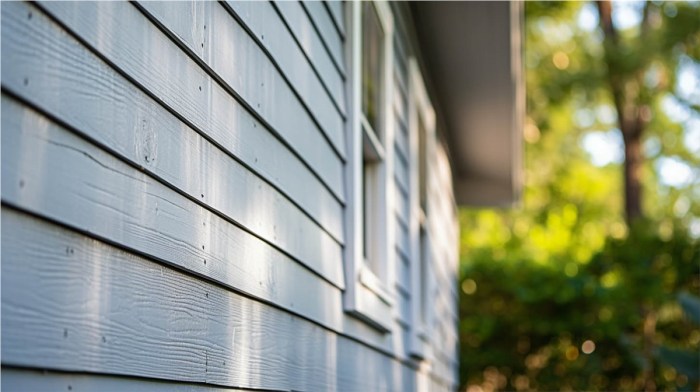
When DIY siding repair is no longer a viable option, it may be time to consider professional siding replacement. Signs that indicate siding replacement is necessary include severe cracking, warping, rotting, or mold growth that cannot be effectively repaired.
Types of Siding Materials for Replacement
There are various types of siding materials available for replacement, each with its own characteristics and benefits. Some common options include:
- Vinyl Siding: Affordable and low-maintenance, vinyl siding comes in a variety of colors and styles.
- Fiber Cement Siding: Durable and resistant to fire, insects, and rot, fiber cement siding is a popular choice for many homeowners.
- Wood Siding: Known for its natural beauty, wood siding requires more maintenance but offers a timeless appeal.
- Aluminum Siding: Lightweight and corrosion-resistant, aluminum siding is a durable option for homes in various climates.
Hiring a Professional for Siding Replacement
When hiring a professional for siding replacement, it is important to research and select a reputable contractor with experience in siding installation. Obtain multiple quotes, check references, and ensure the contractor is properly licensed and insured.
Advantages of Professional Siding Replacement
Professional siding replacement offers several advantages in terms of longevity and quality. A professional installation ensures that the siding is properly fitted and sealed, reducing the risk of water damage and improving energy efficiency. Additionally, professional contractors have the expertise to address any underlying issues, such as mold or structural damage, during the replacement process.
DIY vs Professional
When it comes to siding repair or replacement, the decision between tackling the project yourself or hiring a professional often boils down to skill and experience. Let's explore the differences in skill level required for each option and how experience can impact the outcome.
Skill and Experience
- DIY Siding Repair:
- Requires moderate to advanced level of skill depending on the extent of damage.
- DIYers need to have basic knowledge of tools, materials, and techniques.
- Lack of experience can lead to mistakes in cutting, measuring, and installation.
- Professional Siding Replacement:
- Professionals bring years of experience and expertise to the table.
- They are skilled in handling various siding materials and addressing complex issues.
- Expertise ensures precise measurements, seamless installation, and long-lasting results.
Tip: If you have little to no experience with siding repair and the damage is extensive or intricate, it's best to opt for professional replacement to avoid costly mistakes.
Cost Analysis
When considering whether to opt for a DIY siding repair or hire a professional for a full replacement, cost plays a significant role in the decision-making process. Let's break down the expenses associated with both options to help homeowners make an informed choice.
Cost of Materials Comparison
One of the initial factors to consider is the cost of materials for DIY siding repair versus professional replacement. While DIY repair may seem more budget-friendly at first glance, it's essential to compare the prices of the materials needed for the project.
DIY repairs typically require homeowners to purchase individual siding pieces, paint, caulking, and other supplies, which can add up. On the other hand, professional replacement services often include the cost of materials in their overall quote, potentially offering a more cost-effective solution.
Hidden Costs of DIY Repairs
Beyond the initial material expenses, homeowners should also take into account the hidden costs associated with DIY repairs. These can include tools and equipment rentals or purchases, potential mistakes that may require additional materials to rectify, as well as the value of time spent on the project.
DIY repairs may initially seem cheaper, but these hidden costs can quickly add up and exceed the budget.
Long-term Cost Implications
Considering the long-term financial implications is crucial when deciding between DIY repairs and professional replacement. While DIY repairs may offer immediate savings, they may not always provide a lasting solution. Poorly executed repairs can lead to further damage down the line, requiring additional fixes and potentially increasing overall expenses.
In contrast, professional replacement services often come with warranties or guarantees, offering homeowners peace of mind and potentially saving money in the long run.
Breakdown of Potential Savings or Expenses
To summarize, while DIY siding repair may appear cost-effective initially, it's essential for homeowners to weigh the potential savings against the risks and hidden expenses involved. Professional replacement services may have a higher upfront cost but can offer long-term savings by providing a durable and reliable solution that minimizes the need for future repairs.
Ultimately, considering the overall cost implications and quality of the end result is key in making the best decision for your home's siding needs.
Epilogue
As we wrap up this guide on DIY Siding Repair vs Professional Replacement, remember that the choice ultimately depends on your skill level, budget, and the extent of damage. Make the decision that best suits your needs for a well-maintained home exterior.
Quick FAQs
What are the common types of siding damage that can be repaired DIY?
Common types include cracks, holes, or loose siding pieces that can often be fixed with the right tools and materials.
What are the signs that indicate siding replacement is necessary?
Signs like extensive water damage, mold growth, or severe warping indicate the need for professional replacement.
How does lack of experience impact the outcome of DIY repairs?
Lack of experience can result in improper repairs that may not hold up well over time, leading to further damage.
What are the hidden costs associated with DIY repairs that homeowners should consider?
Hidden costs can include unexpected tool purchases, additional materials, or even the need to hire a professional to fix mistakes.
When is it best to DIY or opt for professional replacement based on skill and experience?
If you're confident in your skills and the damage is minor, DIY can be cost-effective. For complex issues or lack of expertise, professional replacement is recommended.