Exploring the realm of energy-efficient windows and siding opens a door to a world of savings and sustainability. As we delve into the intricacies of selecting the right materials, prepare to be enlightened on how these choices can impact your home and the environment.
Importance of Energy-Efficient Windows and Siding
Energy-efficient windows and siding play a crucial role in improving the overall energy efficiency of a home or building. These upgrades offer a wide range of benefits that can positively impact both homeowners and the environment.
Benefits of Energy-Efficient Windows and Siding
- Enhanced Insulation: Energy-efficient windows and siding help maintain a consistent indoor temperature by reducing heat transfer, keeping the interior cool in summer and warm in winter.
- Lower Utility Bills: By minimizing the need for heating and cooling, energy-efficient materials can lead to significant cost savings on energy bills over time.
- Increased Comfort: Improved insulation provided by energy-efficient windows and siding creates a more comfortable living environment by reducing drafts and temperature fluctuations.
Reducing Utility Bills
Energy-efficient windows and siding can contribute to substantial savings on energy bills by reducing the reliance on heating and cooling systems. This not only benefits homeowners financially but also helps in reducing overall energy consumption.
Environmental Impact
Choosing energy-efficient materials for windows and siding can have a positive environmental impact by lowering the carbon footprint of a home. By using less energy for heating and cooling, fewer greenhouse gas emissions are produced, thus contributing to a more sustainable living environment.
Factors to Consider When Choosing Energy-Efficient Windows
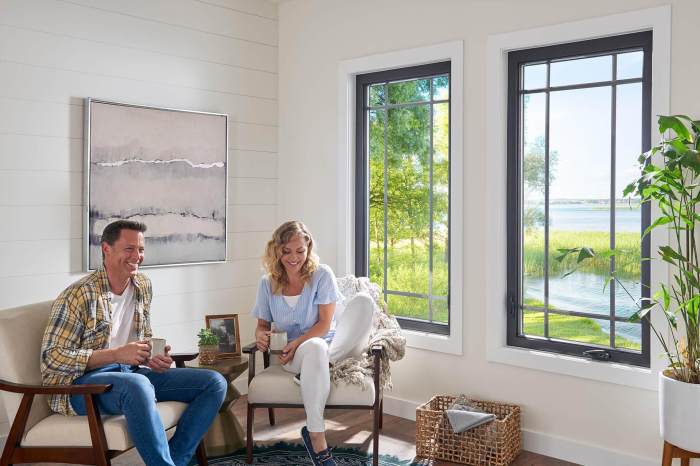
When selecting energy-efficient windows, there are several key factors to keep in mind to ensure optimal performance and cost savings in the long run.
Types of Energy-Efficient Windows
- Double-Pane Windows: These windows have two layers of glass with a space between them, providing better insulation and reducing heat transfer.
- Triple-Pane Windows: Featuring three layers of glass, triple-pane windows offer even higher insulation and energy efficiency compared to double-pane windows.
- Low-E Coatings: Low-emissivity coatings are thin layers applied to window glass to reflect heat while allowing light to pass through, enhancing energy efficiency.
Window Frame Materials
- Vinyl Frames: Vinyl frames are low maintenance, durable, and offer good insulation properties, making them a popular choice for energy-efficient windows.
- Fiberglass Frames: Fiberglass frames are strong, weather-resistant, and provide excellent thermal performance, contributing to energy efficiency.
- Wood Frames: Wood frames offer natural insulation but require more maintenance compared to other materials. Properly treated wood frames can still be energy efficient.
Glass Coatings and Glazing Options
- Gas Fills: Some energy-efficient windows are filled with inert gases like argon or krypton between the panes to improve insulation and reduce heat transfer.
- Multiple Glazing: Windows with multiple layers of glass and spacers between them enhance insulation and energy efficiency by creating additional barriers to heat flow.
- Warm Edge Spacers: These spacers are placed between the glass panes to reduce heat transfer at the edges of the window, improving overall energy efficiency.
Factors to Consider When Choosing Energy-Efficient Siding
When selecting energy-efficient siding for your home, there are several key factors to take into consideration to ensure maximum energy savings and overall effectiveness.Explain the role of insulation in energy-efficient siding:
The Role of Insulation in Energy-Efficient Siding
Insulation is a crucial component of energy-efficient siding as it helps regulate the temperature within your home
Comparison of Siding Materials for Energy Efficiency
Vinyl Siding
Vinyl siding is a popular choice for its affordability and low maintenance. While it offers decent insulation properties, it may not be as energy-efficient as other materials.
Fiber Cement Siding
Fiber cement siding is known for its durability and resistance to rot and pests. It provides better insulation compared to vinyl siding, helping to improve energy efficiency.
Wood Siding
Wood siding can offer good insulation properties, but it requires more maintenance to prevent rot and pests. It can be energy-efficient if properly maintained.
Insulated Siding
Insulated siding comes with built-in insulation to enhance energy efficiency. It provides superior thermal performance compared to traditional siding materials.Discuss the importance of proper installation for maximizing energy savings:
Importance of Proper Installation for Energy Savings
Proper installation of energy-efficient siding is crucial for maximizing its effectiveness. A well-installed siding will ensure a tight seal around your home, preventing air leaks and improving overall insulation. This can lead to significant energy savings by reducing the workload on your heating and cooling systems.
Cost Considerations and Return on Investment
When it comes to choosing energy-efficient windows and siding, cost considerations and return on investment play a crucial role in the decision-making process. Understanding the upfront costs versus the long-term savings is essential to make an informed choice.
Upfront Costs vs Long-Term Savings
- Energy-efficient windows and siding may have higher upfront costs compared to traditional options. However, these initial costs can be offset by the long-term savings on energy bills.
- Investing in high-quality, energy-efficient materials can lead to significant savings in heating and cooling costs over the lifespan of your home.
Calculating Return on Investment
- One way to calculate the potential return on investment for energy-efficient windows and siding is to consider the energy savings achieved by using these materials.
- Compare the estimated energy savings with the initial cost of installation to determine the payback period, which is the time it takes for the energy savings to equal the upfront investment.
- Keep in mind that the payback period can vary based on factors such as energy prices, climate, and the efficiency of the materials chosen.
Incentives and Rebates
- Many government agencies, utility companies, and other organizations offer incentives or rebates for homeowners who choose energy-efficient materials for their homes.
- These incentives can help offset the initial costs of installing energy-efficient windows and siding, making them a more cost-effective option in the long run.
Closing Notes
In conclusion, the journey to choosing energy-efficient windows and siding is not just about enhancing your home's aesthetics, but also about making a positive difference in energy consumption and costs. Armed with the knowledge from this guide, you're now equipped to make informed decisions that benefit both your wallet and the planet.
Essential FAQs
What are the benefits of energy-efficient windows and siding?
Energy-efficient windows and siding can help lower utility bills, reduce environmental impact, and improve home comfort.
How do I calculate the return on investment for energy-efficient materials?
You can calculate ROI by comparing upfront costs with long-term savings on energy bills and potential rebates or incentives.