As Roofing and Siding Ideas for Harsh Weather Conditions takes center stage, this opening passage beckons readers into a world crafted with good knowledge, ensuring a reading experience that is both absorbing and distinctly original.
Exploring the best materials and design features for roofing and siding in extreme weather conditions is crucial for homeowners looking to fortify their homes against the elements.
Roofing Materials for Harsh Weather Conditions
When it comes to choosing roofing materials for areas with extreme weather conditions, it is important to consider durability, resilience, and longevity. Different materials have varying levels of effectiveness in harsh weather, so it's crucial to select the right option for your specific climate.Metal Roofing:Metal roofing is a popular choice for areas prone to harsh weather conditions due to its durability and resistance to elements like high winds, heavy rain, and snow.
It is also fire-resistant and can last up to 50 years or more with proper maintenance. However, metal roofing can be more expensive upfront compared to other materials, and it can be noisy during rain or hail storms.Asphalt Shingles:Asphalt shingles are another common roofing material that can withstand harsh weather conditions to a certain extent.
They are more affordable than metal roofing and come in a variety of colors and styles. However, asphalt shingles have a shorter lifespan of around 20-30 years and may require more frequent repairs or replacements in extreme weather conditions.Clay or Concrete Tiles:Clay or concrete tiles are known for their durability and ability to withstand harsh weather conditions, including high winds, hail, and UV exposure.
They also offer excellent insulation properties, helping to regulate indoor temperatures and reduce energy costs. However, clay or concrete tiles can be heavy, requiring a strong roof structure for support, and they may be more prone to cracking or breakage in severe weather events.Overall, the best roofing material for harsh weather conditions will depend on various factors such as budget, climate, and personal preferences.
It is essential to consult with a professional roofing contractor to determine the most suitable option for your specific needs and location.
Siding Options to Withstand Harsh Weather
Fiber cement siding, vinyl siding, and wood siding are popular choices for homeowners looking for durable options to withstand harsh weather conditions.
Benefits of Fiber Cement Siding
Fiber cement siding is known for its exceptional durability in extreme weather conditions. It is resistant to moisture, fire, insects, and rot, making it an ideal choice for areas prone to heavy rain, strong winds, and temperature fluctuations. Additionally, fiber cement siding requires minimal maintenance and has a long lifespan, providing homeowners with peace of mind and cost-effective solution in the long run.
Comparison of Vinyl Siding vs. Wood Siding
Vinyl siding is a popular choice for its affordability and low maintenance requirements. However, in harsh climates, vinyl siding may be prone to cracking and fading over time, especially in extreme heat or cold. On the other hand, wood siding offers a classic and natural look but requires regular maintenance, such as painting or staining, to protect it from the elements.
In harsh weather conditions, wood siding may be susceptible to rot and warping if not properly maintained.
Maintenance Requirements of Different Siding Materials
In areas prone to harsh weather, regular maintenance of siding materials is crucial to ensure their longevity and performance. Fiber cement siding requires occasional cleaning and inspection to prevent any moisture buildup or damage. Vinyl siding may need to be washed periodically to remove dirt and debris, while wood siding needs to be treated with protective coatings to prevent water damage and decay.
Proper maintenance of siding materials can help homeowners avoid costly repairs and replacements in the future.
Roofing and Siding Design Features for Weather Resilience
Proper design features play a crucial role in ensuring the resilience of roofing and siding against harsh weather conditions. From roof slope and pitch to insulation and overhangs, each element contributes to the overall protection of a home.
Proper Roof Slope and Pitch for Enhanced Protection
- Roof slope and pitch are essential in directing water and snow away from the roof surface, preventing water pooling and ice dams.
- A steep roof slope promotes quick water runoff, reducing the risk of leaks and water damage during heavy rainfall or snowfall.
- Proper roof pitch also helps in shedding snow more effectively, preventing the accumulation of heavy snow loads that can lead to structural damage.
Importance of Proper Insulation for Roofing and Siding
- Proper insulation helps maintain a stable indoor temperature, reducing energy costs and preventing moisture buildup that can weaken roof and siding materials.
- Insulation acts as a barrier against heat loss in winter and heat gain in summer, improving the overall energy efficiency of a home.
- Insulated roofing and siding also provide better protection against extreme temperature fluctuations, prolonging the lifespan of the materials.
Overhangs and Eaves for Added Protection
- Overhangs and eaves help shield the roofing and siding from direct exposure to harsh elements such as rain, snow, and sunlight.
- They provide additional protection against water infiltration, reducing the risk of water damage and rot in the underlying structure.
- Overhangs also enhance the aesthetic appeal of a home while serving a functional purpose in weather resistance.
Maintenance Tips for Roofing and Siding in Harsh Conditions
Proper maintenance is crucial for ensuring the longevity and durability of roofing and siding, especially in harsh weather conditions. By following some key strategies and guidelines, you can effectively protect your home from potential damage.
Preventing Ice Dams on Roofs in Cold Climates
Ice dams can form on roofs in cold climates, leading to water backup and potential leaks. To prevent ice dams, consider the following strategies:
- Ensure proper attic insulation and ventilation to maintain consistent temperatures on the roof.
- Clean gutters regularly to prevent ice buildup and ensure proper drainage.
- Install ice and water shield membrane along the eaves to provide an additional barrier against ice dams.
Inspecting and Repairing Damaged Siding After Severe Weather Events
After severe weather events, such as storms or high winds, it's essential to inspect your siding for any damage. Follow these guidelines:
- Check for loose or missing siding panels and replace them promptly.
- Inspect for signs of water damage, such as mold or rot, and address any issues immediately.
- Repair any cracks or holes in the siding to prevent further damage and maintain the integrity of your home's exterior.
Significance of Regular Inspections and Maintenance Routines
Regular inspections and maintenance routines play a critical role in preserving the condition of your roofing and siding in harsh weather conditions. Here's why they are important:
- Early detection of issues can prevent costly repairs down the line.
- Maintaining your roofing and siding can extend their lifespan and improve overall performance.
- Regular maintenance ensures that your home remains protected and secure, even in the face of extreme weather conditions.
Ultimate Conclusion
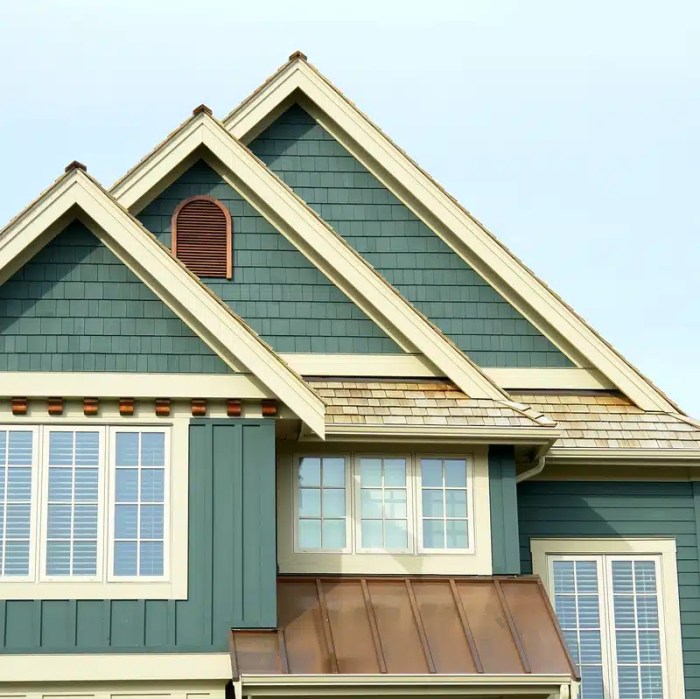
In conclusion, implementing the right roofing and siding ideas for harsh weather conditions can significantly enhance the durability and protection of your home. By understanding the maintenance tips and design features discussed, homeowners can ensure their properties remain resilient in the face of challenging weather.
Common Queries
What are the best roofing materials for extreme weather conditions?
The best roofing materials for harsh weather include metal roofing, asphalt shingles, and clay or concrete tiles known for their durability and weather resistance.
How can overhangs and eaves protect roofing and siding from harsh elements?
Overhangs and eaves provide additional protection by shielding roofing and siding from direct exposure to rain, snow, and harsh sunlight, reducing the risk of damage.
What maintenance strategies can prevent ice dams on roofs in cold climates?
Preventing ice dams involves ensuring proper insulation, adequate ventilation, and regular removal of snow buildup on the roof to minimize the risk of ice formation.