Exploring the world of eco-friendly siding materials for sustainable homes, this introduction sets the stage for an informative and engaging discussion. From the different types of materials to their benefits and installation process, this guide covers it all in a casual formal language style that aims to captivate readers' interest right from the start.
Providing insights into the durability, maintenance, aesthetics, and design options of these siding materials, this guide aims to equip homeowners with the knowledge they need to make environmentally conscious choices for their homes.
Types of Eco-Friendly Siding Materials
When it comes to sustainable siding materials for eco-friendly homes, there are several options available that offer both environmental benefits and aesthetic appeal.
1. Wood Siding
Wood siding is a classic choice for eco-friendly homes due to its natural beauty and renewable nature. It is biodegradable, recyclable, and has a lower carbon footprint compared to other materials. However, regular maintenance is required to prevent rot and pests.
The initial cost of wood siding can vary depending on the type of wood used.
2. Fiber Cement Siding
Fiber cement siding is a durable and low-maintenance option made from a blend of cement, sand, and cellulose fibers. It is resistant to fire, insects, and rot, making it a long-lasting choice for sustainable homes. While the initial cost may be higher than other materials, the longevity and minimal upkeep can make it cost-effective in the long run.
3. Recycled Metal Siding
Recycled metal siding, often made from aluminum or steel, is a sustainable option that can be recycled again at the end of its life cycle. It is durable, weather-resistant, and energy-efficient, making it a popular choice for eco-conscious homeowners. While the initial cost may be higher, the longevity and recyclability of metal siding can make it a cost-effective investment.
4. Bamboo Siding
Bamboo siding is an eco-friendly alternative to traditional wood siding, as bamboo is a fast-growing and renewable resource. It is durable, lightweight, and resistant to pests and moisture. Bamboo siding is typically more affordable than hardwood options, making it a cost-effective choice for sustainable homes.
5. Stone Siding
Stone siding, such as natural stone or manufactured stone veneer, offers a unique and timeless look for eco-friendly homes. Natural stone is a sustainable option as it is sourced from the earth, while manufactured stone veneer is made from recycled materials.
While the initial cost of stone siding can be high, its durability and low maintenance requirements can make it a worthwhile investment for sustainable homes.
Benefits of Using Eco-Friendly Siding
Switching to eco-friendly siding materials offers a multitude of benefits for both homeowners and the environment. Not only do these sustainable options help reduce the carbon footprint of a home, but they also contribute to energy efficiency and improved indoor air quality.
Environmental Benefits
Using eco-friendly siding materials helps in reducing the negative impact on the environment compared to traditional siding options. Materials such as recycled wood, fiber cement, and reclaimed materials require fewer natural resources and energy to produce, thus lowering greenhouse gas emissions and preserving natural habitats.
Energy Efficiency
Eco-friendly siding materials are designed to provide better insulation for homes, reducing the need for excessive heating or cooling. This can lead to lower energy consumption, decreased utility bills, and overall improved energy efficiency. For example, insulated vinyl siding can help maintain a comfortable temperature inside the house throughout the year, reducing the reliance on heating and cooling systems.
Improved Indoor Air Quality
Certain eco-friendly siding materials, such as clay or lime-based plasters, are breathable and do not emit harmful chemicals into the air. This can significantly improve indoor air quality by reducing the presence of volatile organic compounds (VOCs) that are commonly found in synthetic siding materials.
By choosing these healthier options, homeowners can create a safer and more comfortable living environment for themselves and their families.
Durability and Maintenance
When it comes to eco-friendly siding materials, durability and maintenance are crucial factors to consider for sustainable homes. These materials not only offer environmental benefits but also stand the test of time with proper care and maintenance.
Durability Factors
- Resistance to elements: Eco-friendly siding materials like fiber cement and reclaimed wood are known for their resistance to harsh weather conditions such as extreme heat, cold, and moisture.
- Longevity: These materials are designed to last for many years, reducing the need for frequent replacements and minimizing waste.
- Impact resistance: Some eco-friendly siding options, like metal and stone, are highly durable and can withstand impact from debris or other external forces.
Maintenance Tips
- Regular cleaning: To maintain the appearance and integrity of eco-friendly siding, regular cleaning with mild soap and water is recommended.
- Inspect for damage: Periodically inspect the siding for any signs of damage, such as cracks, warping, or mold, and address them promptly to prevent further issues.
- Sealing and painting: Depending on the material used, sealing or painting may be necessary to protect the siding from UV rays and moisture infiltration.
Comparison with Traditional Siding
- Less maintenance: Eco-friendly siding materials generally require less maintenance compared to traditional options like vinyl or wood, which often need frequent repainting or refinishing.
- Longer lifespan: Due to their durability, eco-friendly siding materials tend to have a longer lifespan, reducing the overall maintenance costs over time.
- Environmental impact: Traditional siding materials can release harmful chemicals or require frequent replacements, contributing to environmental degradation, unlike eco-friendly options that are sustainable and long-lasting.
Installation Process
When it comes to installing eco-friendly siding materials, the process can vary depending on the type of material chosen. However, there are some general steps that are typically involved in the installation of most eco-friendly siding options.
Preparation and Planning
Before beginning the installation process, it is important to carefully plan and prepare the area where the siding will be installed. This may involve removing old siding, repairing any damaged areas, and ensuring that the surface is clean and ready for the new siding.
Measurement and Cutting
One of the first steps in the installation process is to accurately measure the area where the siding will be installed. This will ensure that the siding fits properly and looks seamless once installed. Depending on the material, cutting may be required to customize the siding panels to fit the specific dimensions of the area.
Attachment and Fastening
Once the siding panels are cut to size, they are typically attached and fastened to the exterior of the home. The method of attachment can vary depending on the type of material, but may involve nailing, stapling, or using adhesives to secure the siding in place.
Finishing Touches
After the siding panels are installed, finishing touches may be added to complete the look and ensure that the siding is properly sealed and weatherproof. This may include caulking around edges, painting or sealing the siding, and adding trim pieces for a polished appearance.
Considerations and Challenges
During the installation process, some specific considerations or challenges may arise depending on the type of eco-friendly siding material being used. For example, certain materials may require specialized tools or techniques for installation, while others may be more prone to warping or damage if not installed correctly.
Professional Installation vs. DIY
While some experienced homeowners may choose to install eco-friendly siding themselves as a DIY project, it is often recommended to hire a professional contractor for the installation. Professional installers have the skills, knowledge, and tools necessary to ensure that the siding is properly installed, minimizing the risk of errors or damage during the process.
Aesthetics and Design Options
When it comes to eco-friendly siding materials, aesthetics play a crucial role in enhancing the overall look of a sustainable home. These materials not only offer environmental benefits but also come in a variety of design options to suit different preferences and styles.
Aesthetic Appeal of Eco-Friendly Siding Materials
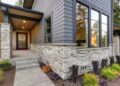
Eco-friendly siding materials such as reclaimed wood, fiber cement, and recycled metal can add a unique and natural look to a home. Reclaimed wood, for example, brings warmth and character with its weathered appearance, while fiber cement offers a modern and sleek finish.
Recycled metal siding provides an industrial and contemporary look that stands out.
Design Options for Homeowners
Homeowners have a range of design options to customize their eco-friendly siding. Different textures, colors, and patterns are available to create a personalized look that complements the overall design of the home. Whether opting for a traditional style or a more modern aesthetic, there are plenty of choices to achieve the desired look.
Enhancing the Overall Look of a Sustainable Home
By choosing eco-friendly siding materials, homeowners not only contribute to a greener environment but also enhance the curb appeal of their sustainable home. The natural textures and finishes of these materials can add depth and visual interest, elevating the design of the house and making it a standout in the neighborhood.
Final Wrap-Up
In conclusion, the journey through the top eco-friendly siding materials for sustainable homes has shed light on the importance of making eco-conscious decisions when it comes to home construction. By opting for these sustainable materials, homeowners can not only reduce their environmental impact but also create a healthier and more energy-efficient living space for themselves and future generations.
Common Queries
What are some common types of eco-friendly siding materials?
Common types include reclaimed wood, fiber cement, metal, brick, and stucco. Each material offers unique sustainability features and benefits for eco-conscious homeowners.
How can eco-friendly siding contribute to energy efficiency in homes?
Eco-friendly siding materials provide better insulation, reducing energy consumption for heating and cooling. This can lead to lower energy bills and a smaller carbon footprint.
What maintenance tips can help ensure the longevity of eco-friendly siding?
Regular cleaning, inspection for damage, and timely repairs are key to maintaining eco-friendly siding. Avoiding harsh chemicals and using eco-friendly cleaning solutions can also prolong the lifespan of the siding.
Is professional installation necessary for eco-friendly siding materials?
While professional installation ensures proper placement and reduces the risk of errors, some eco-friendly siding materials can be DIY projects for those with the necessary skills and tools. However, complex installations may require professional assistance.